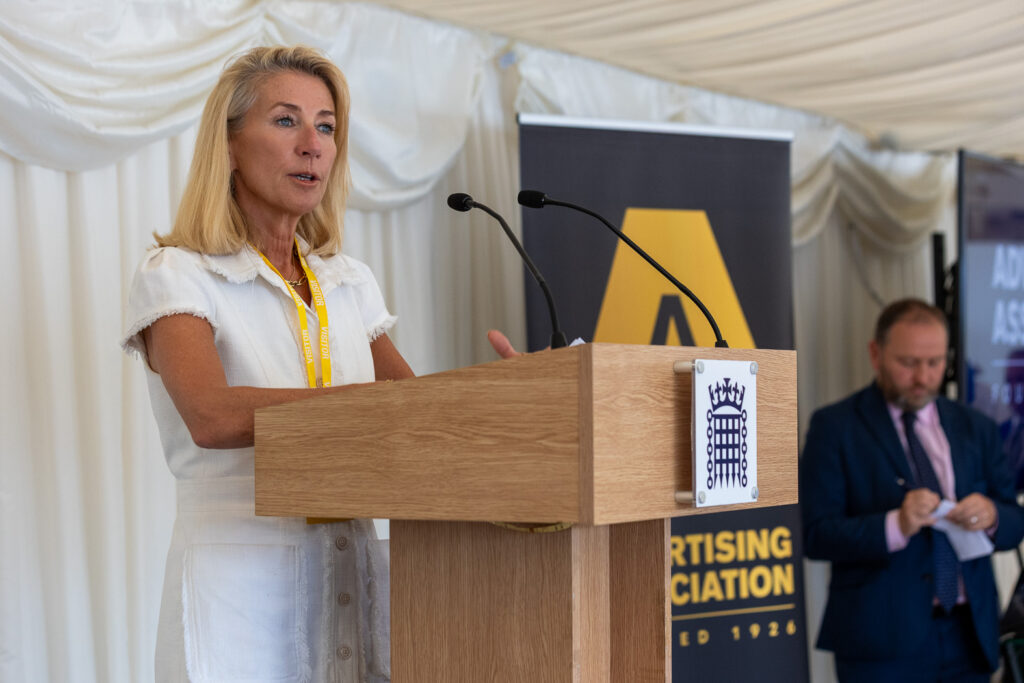
Next phase of the plan to build trust in advertising launched at the Advertising Association’s Parliamentary reception in Westminster today.
London, 15 July. As part of its ongoing work to strengthen public trust in advertising and building on the work of the last action plan launched in 2021, the Advertising Association today announces a new three-point Trust Action Plan.
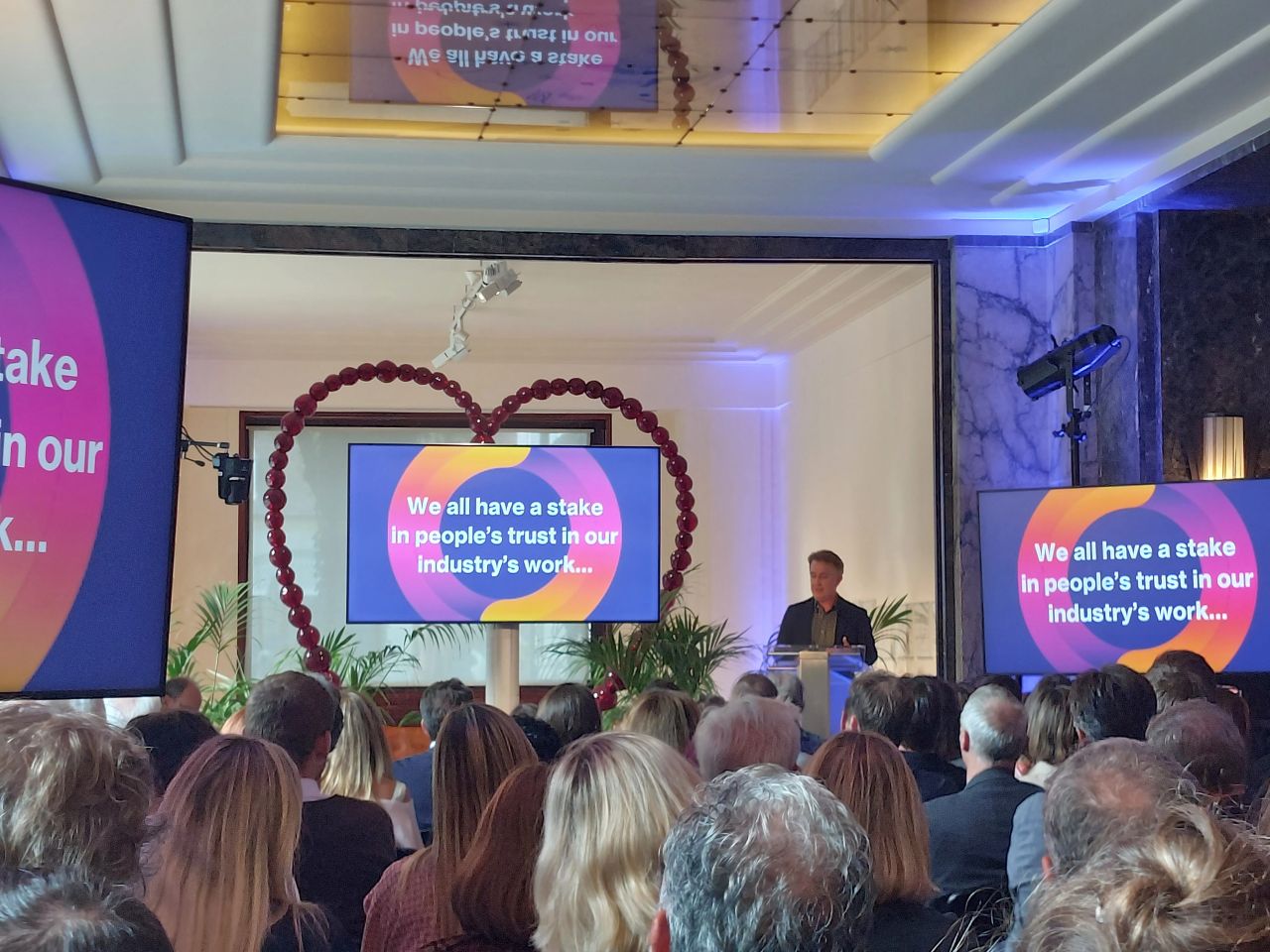
While public trust in advertising reached a five-year high of 40% in 2025, up from 30% in 2022, research indicates this recovery remains fragile, partly due to a gap between the public’s desire for advertising that is creatively rewarding, and their day-to-day experience where they can feel bombarded and they worry about the increased prevalence of scams.
To address this, the next phase of the Advertising Association’s industry action plan focuses on three strategic pillars designed to align commercial success for the industry with the public interest.
Action 1: Scale up the ASA Public Awareness Campaign
The first action involves a significant scaling of the Advertising Standards Authority (ASA) public awareness initiative. Data shows that individuals who recall the campaign have a significantly higher level of trust in both advertisements and the industry as a whole. Currently, Credos tracking shows that 30% of the population recalls the campaign. The new plan calls on media owners to increase this support, in order to push public trust to the mid-40% range. Trust in ads in each media channel has shown strong growth across the campaign, leading to direct benefit for media owners and increased public trust overall. By establishing the ASA’s role as a foundation of accountability, the industry aims to reassure the public that advertising is effectively regulated.
Action 2: Make the business case for trusted advertising
The second action is to build awareness of the commercial case for advertising experiences that drive higher trust. The Advertising Association aims to shift the perception of trust from a ‘soft’ reputational shield to a ‘hard’ commercial metric. This action is grounded in data from multiple sources, including the latest IPA Effectiveness study, which reveals that campaigns building higher trust can drive a 41% increase in key business outcomes, such as enhanced customer loyalty and reduced price-sensitivity. By proving that advertising that builds brand trust is an ‘efficiency accelerator’, and a key tool in the armoury, the Advertising Association aims to enable brands to demonstrate trust as a measurable business metric.
Action 3: Raise the profile of the DCMS Online Advertising Taskforce
The third action focuses on strengthening the profile of the DCMS Online Advertising Taskforce within the industry. This collaborative effort between the government and industry consists of six working groups dedicated to improving transparency and reducing online harms, such as ad fraud and malvertising. The UK is currently setting a global lead in several areas of work, particularly regarding age verification and the responsible use of AI. The next phase involves increasing industry-wide awareness and participation in the outputs of these working groups to ensure that groundbreaking work, for instance on information sharing and threat reduction translates into a safer consumer experience.
President of the Advertising Association, Andria Vidler said: “As we mark the Advertising Association’s Centenary, the evidence for making trust a central KPI for advertising is compelling. I would urge everyone to consider the ASA public awareness campaign and all marketers get involved wherever you can to build trust. Protecting and building people’s confidence in our industry is key to demonstrating the huge economic and social contribution that responsible advertising makes to the UK and around the world.”