By Stephen Woodford, CEO, Advertising Association
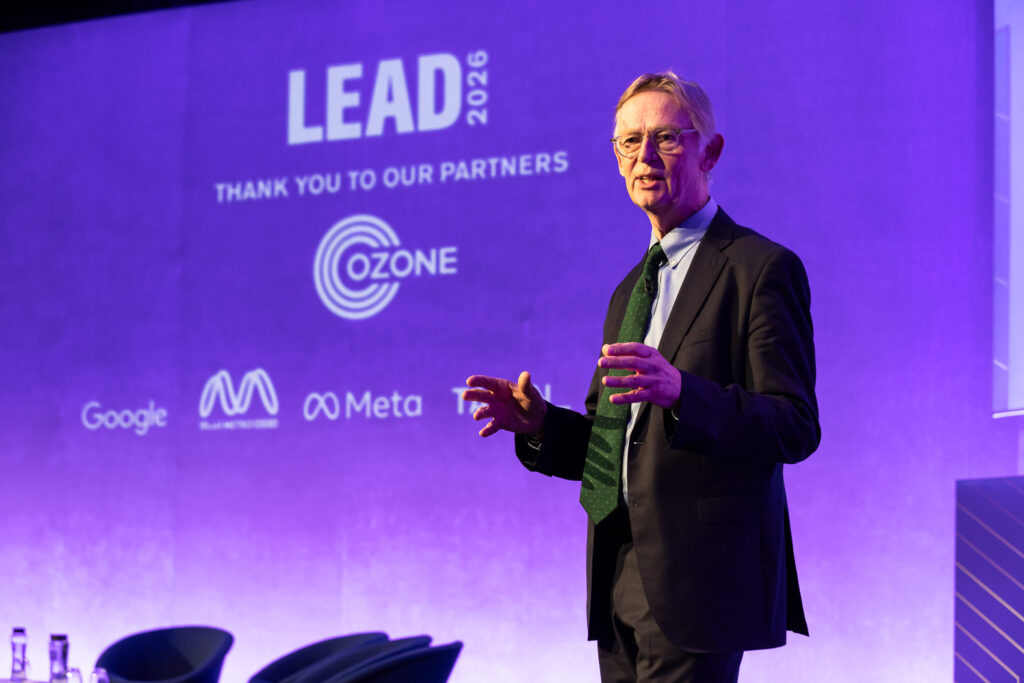
There have been 15 LEAD conferences – I’m one of the possibly few who have been to them all, the first 5 in my agency days and the rest as part of the AA team. It’s always an intense experience – the one moment in the year when leaders from brands, agencies, media and tech platforms, along with government and regulators, come together to focus on the industry’s biggest issues in a packed half-day agenda.
It’s our centenary year and delving into our history we found the AA has fine form in convening the industry. It’s fair to say past events were considerably larger and more lavish, with thousands of delegates from the UK and overseas, attended by Prime Ministers and Royalty, along with public exhibitions in Olympia, golf tournaments and river cruises! We may be humbler in our staging, but the themes of the past echo down the years: raising standards, the push and pull of regulation, the opportunities and disruptions of new technologies, the role of advertising in the economy. Above all, the need to win and keep the trust of the public, the mission at the heart of why the AA was formed.
100 years on from our first conference, UK advertising is a global powerhouse, the 2nd largest exporter of ad services and the 3rd market in the world in terms of ad investment, some £66.6bn in 2024, supporting 5% of all UK employment. Building on these strong metrics, LEAD 2026 made one thing undeniably clear: trust is critical and is a prized commercial asset.
The new IPA effectiveness data presented at the conference proves this definitively. Campaigns that prioritize trust are 65% more likely to report “very large business effects” – driving sales, pricing power, market share and profit – than campaigns that don’t build trust. Trust turbocharges advertising effectiveness.
Trust in advertising is rising and is at a 5-year high. But as the Credos research showed, there is no room for complacency. As our former President, Keith Weed, used to say, “Trust arrives on foot, but leaves on horseback”. To keep it from galloping away, here are 5 themes from LEAD for us to act on.
First, we must tackle the fastest rising threat: online fraud and scam advertising. This is a $1.2 trillion global scourge that in part utilises advertising supply chains. Cross-industry collaboration on fraud is vital, with initiatives like the Global Signal Exchange, where platforms like Google and Amazon share intelligence to “inoculate” the ecosystem against threats. Meta and Stop Scam’s UK’s FIRE programme is another example. Tackling scam advertising is already driving unprecedented collaboration between industry, government, regulators and law enforcement and we welcome the establishment of the new working group led by the IAB with the Home Office to ramp up efforts further, as part of the DCMS Online Advertising Taskforce.
Second, we must keep embracing the opportunities of AI. The panel at LEAD showed us that “Humans + AI” teams are the creative superpower and can beat either on their own. However, we face the risk of “AI slop” degrading the media experience. The AA’s AI best practice guide, produced under the DCMS Taskforce’s remit, is a practical guide designed by industry experts to get the best from the responsible use AI, with the right checks and balances in place.
Third, we must recognise the growth and opportunities in the creator economy. This sector now contributes £2.2bn to the UK GDP, supports 44,000 jobs and is set for further growth. This year, we will advocate for the formal recognition of the sector in Government statistics and support the IMTB in its work to raise the sector’s professionalism and its compliance with the ASA codes.
Fourth, we should address what the latest Credos research identified is a “Concept-Experience Gap”. It shows that while people like their concept of advertising (storytelling, humour, music, emotions), they can find the actual experience one where they feel bombarded and intruded on. The solution is a renewed focus on creative enjoyment and media craft. It is a striking statistic that the number one driver of trust is the enjoyment of the ads, yet only 37% of people claim to see ads they actually enjoy. There is vast amount of evidence that shows that engaging the audience, wherever advertising sits in the customer journey, drives trust, pays back and builds business.
On this theme, my fifth and final point is one that was well made by ISBA’s Simon Michaelides, that we should stop the either/or between “brand” and “performance”. Sustainable growth requires the right balance of both, to create demand and convert it into sales, which again is overwhelmingly proven by research and real-world success. The Tesco case study, brilliantly presented by BBH CEO and IPA President Karen Martin, showed rebuilding this brand required long term commitment to both “heroic” storytelling and “humble” help every day, helping create and convert demand to the benefit of the business and its customers.
What I’ve seen at all 15 LEADs is the ad industry always ready to engage creatively and collaboratively to improve. By building trust, tackling scams, embracing responsible AI, by supporting emerging sectors like the creator economy, improving the advertising experience and ending the brand and performance divide, we will make our industry even more productive and valued. Here’s to the next century of British advertising being as successful as the last and who knows, to LEAD 2126.