By Konrad Shek, Public Policy and Regulation Director, Advertising Association
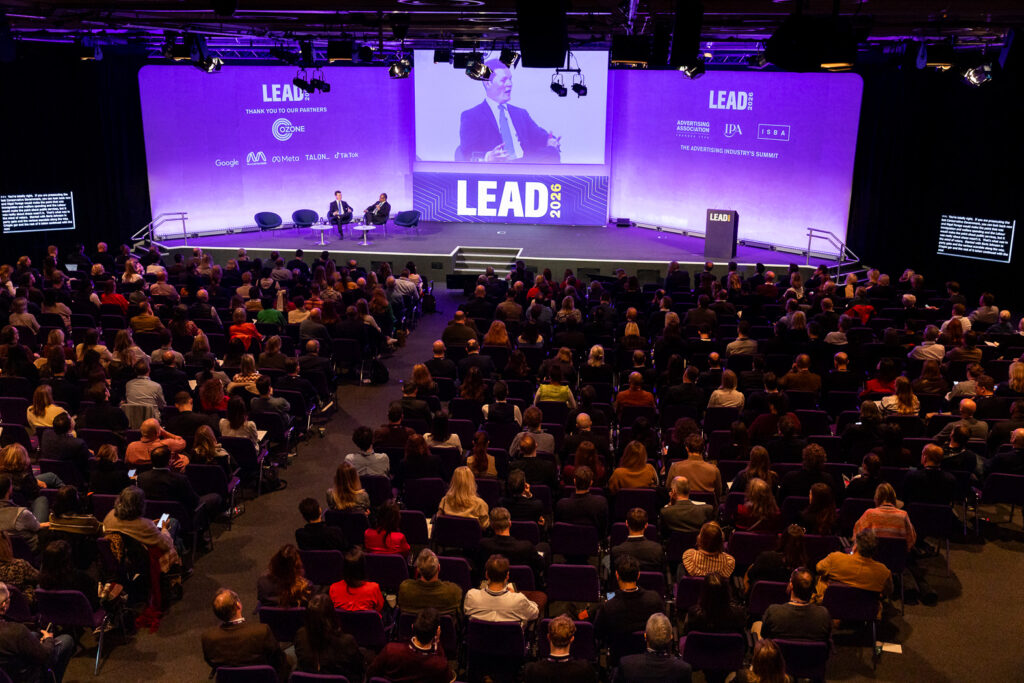
Recent events have only heightened the palpable sense of uncertainty in Westminster, but it reflects a broader and ongoing trend. As we discussed at our centenary conference, LEAD 2026, trust in political institutions is fracturing and we are seeing a ‘democratic disconnect’, according to The Sun’s Political Editor Jack Elsom. This is where the electorate feels a widening gap between manifesto promises and delivery. Yet, while politicians seek out levers for growth, they seem to be overlooking one of the most powerful engines already running at full speed in their backyard: the UK advertising industry.
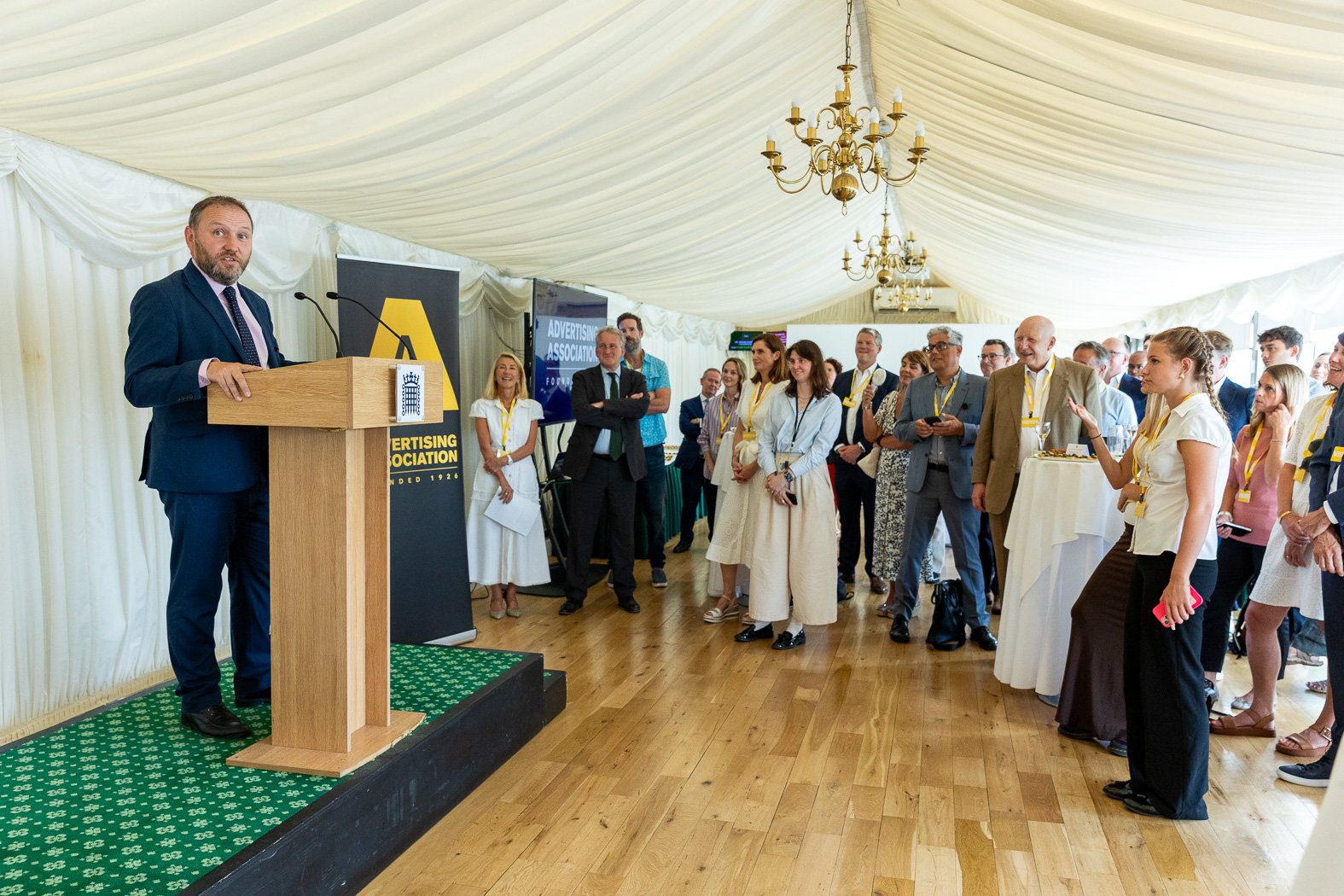
For too long, advertising has been treated as an easy target for knee-jerk bans that fail to address underlying issues. It was welcome to hear the DCMS Minister Ian Murray’s recognition of the power of advertising and its role in supporting jobs, but we would go even further to say that advertising is both a core driver of economic success for businesses and a powerful tool for behavioural change.
As we mark our 100th year, here are the five critical realities political leaders should understand to unlock the full potential of our sector:
1. Advertising is an Investment, not Spend
The first shift must be semantic. We need to stop talking about ‘advertising spend’ and start talking about ‘advertising investment’. At LEAD, we heard how our industry invested £66.6bn into the UK advertising market. This investment contributed a staggering £109bn in Gross Value Added (GVA) to the economy.
Contrary to popular belief, this is not just a London story either. 60% of jobs within our industry are located outside the M25. When the government talks about regional growth and industrial strategy, advertising is right at the heart of that levelling-up agenda.
To demonstrate this economic impact, we are launching ‘The Success Files’ – our partnership with Times Media – showcasing how businesses from Currys to Giffgaff use advertising to drive the bottom line.
And as Lord Vaizey alluded to, policymakers should recognise that decisions to restrict advertising through blunt regulation hinders the very growth the Treasury is desperately seeking.
2. Fraud is a National Security Issue, Not Just a Marketing One
But this economic engine faces an existential threat. Our industry is fighting a critical battle against online fraud and scams. For us, it’s existential – if consumers cannot trust the ads they see, then it will erodetrust not just in brands, but in the digital economy itself.
Fraud and scams are now costing the global economy $1.2 trillion. Scammers exploit vulnerabilities in the digital supply chain and prey on psychological biases. While ad platforms and technology providers work to harden defences, scammers continually adapt, finding new ways to evade detection.
Without public-private partnerships, this becomes a continual game of whack-a-mole. The advertising industry is actively engaged in the Home Office’s wider anti-fraud strategy, and platforms like Google and Amazon are working via the Global Signal Exchange to share threat intelligence and to ‘inoculate’ themselves against new and evolving threats. This pilot is in the process of inviting more participants to share information and enable disruption at scale. Eventually, we hope that law enforcement will be able to plug directly into these systems and take down the actors perpetrating these crimes.
3. Take the Creator Economy Seriously
Protecting this ecosystem also requires a recognition of emerging business models and the value they bring not only to the industry but the wider economy. The creator economy now contributes £2.2bn to UK GDP and supports 45,000 jobs. Creators aren’t hobbyists – they are legitimate small businesses in their own right.
Creators also operate in a well-established regulatory framework and must follow ASA rules. This means any commercial communications must be clearly disclosed. In other words, make it clear that they have been paid to promote a product or service. They are also forbidden from making false claims and subject to the same regulations when advertising age-restricted products. The ASA is also leading the way with increased proactive monitoring with the help of AI.
However, as our creator panel at LEAD highlighted, Government policy hasn’t kept pace. It means that creators struggle to access finance, mortgages or even government support. These unnecessary barriers can easily be overcome. We expect that the newly launched APPG for Creators will raise the profile of the profession to politicians and help to unlock the sector’s potential further.
4. Build on Existing Government-Industry Partnerships on AI
This collaborative approach to emerging sectors extends to how we’re thinking about the governance of transformative technologies like AI. The message from agency experts at LEAD was clear: generative AI can be a brilliant partner to human creativity and efficiency, provided it is guided by human intent.
This understanding has driven genuine industry-government collaboration through the Online Advertising Taskforce, where we’ve developed practical guidance for responsible AI use. The resulting best practice guide supports advertising practitioners and SMEs with eight key principles for ethical deployment.
On AI, there is more to come from the Taskforce, including work on AI labelling frameworks and research into trust in AI-generated advertising.
5. Partner with Us for Behaviour Change
This partnership approach to complex challenges extends beyond technology to broader public policy goals. As Lord Vaizey noted, there is a temptation in politics to ban what you don’t like – such as the recent moves against Less Healthy Food advertising. These are often blunt instruments for complex societal problems.
A far more effective route is to leverage the power of advertising to change behaviour to achieve public policy goals. Look at the Department for Energy Security and Net Zero’s recent partnership with ITV’s Emmerdale. By weaving heat pumps into a trusted storyline with authentic characters, the Government achieved a surge in grant applications – the result they were looking for.
If Government is really serious about promoting behaviour change in public health, sustainability, or education for example, then why not work with us? We can be your best ally.
Going forward
The thread running through this year’s LEAD and all of these points is clear: when Government works with advertising rather than against it, everyone wins. Whether it’s economic growth, fraud prevention, emerging business models, responsible AI governance, or behaviour change – partnership delivers better outcomes than prohibition.
The £109bn we contribute to the economy speaks for itself. But our value extends beyond pure economics. We’re already your partners in tackling fraud, developing AI governance, and delivering behaviour change.
As the AA enters its next century, the opportunity is there for Government to build on these proven partnerships and unlock advertising’s full potential for UK prosperity.