By Chris Walker, Director of Public and External Affairs
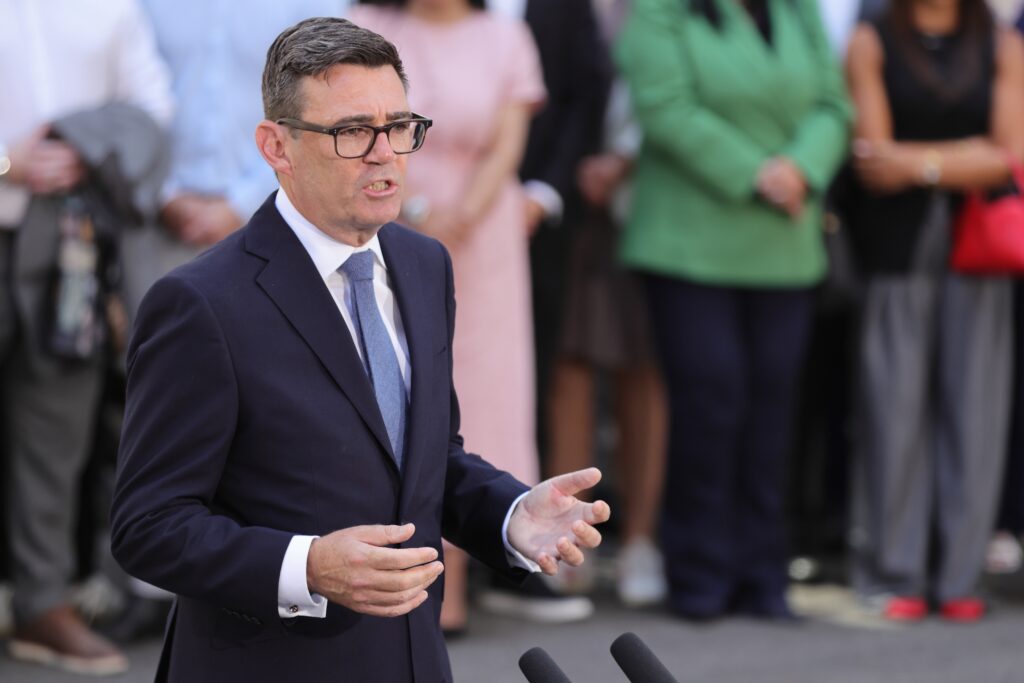
The political landscape in Westminster has just undergone another decisive shift with our fifth Prime Minister in six years. Following his election victory in Makerfield and subsequent appointment as Prime Minister, Andy Burnham’s arrival at 10 Downing Street marks an important moment for the Government and the Labour Party against a backdrop of tight opinion polls and heightened political pressure from Reform UK and the Greens. This transition is a crucial reset for Labour, and there are some key issues that all Members should be aware of.
While Prime Minister Burnham has pledged to stick to the 2024 Labour manifesto, a change in leadership at the top inevitably shifts the political tone, personnel, and policy direction. For our members – spanning advertisers, agencies, media owners, and tech companies – navigating this era requires understanding how the new administration will approach growth and the economy, policy on areas like AI and the BBC, and regulation of advertising and marketing.
While Burnham has not published a full policy platform or undertaken many public speeches or interviews since becoming Prime Minister, we can still make some informed assumptions about what his administration might do. He is a pragmatic political operator with an understanding and appreciation of the importance of our sector and the wider creative industries. As the first Prime Minister to have previously served as Secretary of State for Culture, Media and Sport (DCMS) – and having championed the creative economy during his tenure as Mayor of Greater Manchester – he understands advertising’s role as a vital growth driver locally, nationally, and internationally.
Looking back over his 25 years in the public eye, here is what I believe the Burnham government means for our ecosystem and where the key opportunities and challenges lie.
- Devolution and “Good Growth”: What It Means Across the Sector
Andy Burnham understands how Whitehall and Westminster work – and, crucially, how they don’t. Core to his approach to governing is “Devolution by Default”, taking power out of the hands of civil servants and Ministers in London and giving it to elected Mayors and local authorities. This is an economic policy as much as it is a political one as he wants to see ‘good growth in every postcode’.
- For Businesses and Regional Hubs: The establishment of the new Office of the Prime Minister and Cabinet (including No. 10 North) and the push to hand fiscal autonomy to metro mayors will, he hopes, accelerate economic activity outside London. Agencies, media owners, and advertisers with regional footprints or clients in expanding regional clusters stand to benefit from greater focus on localised growth agendas and public-private engagement.
- For Media Owners: Burnham’s commitment to high street regeneration and community-focused investment directly plays into the strengths of place-based media. Out-of-Home (OOH), local press, cinema, direct mail, and event sponsorship are exceptionally well-positioned to align with government regeneration priorities – though with that may come more scrutiny of the types of advertising people do and do not like to see.
- For Advertisers: “Growth with a purpose” means brands will face continued expectation to demonstrate broader societal value. Narrative-driven storytelling, local economic investment, and responsible marketing will resonate strongly with policymakers.
- Talent Pipelines, Skills, and Creative Education
A core priority for Burnham – and a long-standing area of focus of the Advertising Association – is addressing the UK’s skills gap. During his time as Mayor, Burnham heavily invested in technical pathways, notably creating the Manchester Baccalaureate (MBacc) to foster clear non-university routes into the creative industries (and others). On Tuesday, he made a major announcement on delivering new opportunities for 14-year-olds to choose to take on hands-on technical education. This includes opportunities for the creative and cultural industries.
We expect the Prime Minister to place non-academic routes, apprenticeships, and vocational training front and centre. With Pat McFadden and Baroness Jacqui Smith returning to their roles at the Department for Work and Pensions, and Lucy Powell taking over as Education Secretary, this represents a major opportunity for our industry including more locally driven employment and training programmes which match young people with employers and employment opportunities in their area.
- Continuity at Business & International Trade
For global brand owners and trade groups, the return of Jonathan Reynolds to the Department for Business and Trade brings welcome continuity. Having authored Labour’s Industrial Strategy – which formally recognizes advertising and creative services as key growth sectors – Reynolds understands the importance of our multi-billion-pound contribution to the UK economy and international exports.
As the Government seeks closer economic and trading alignment with the EU and international partners, the AA will work alongside DBT to defend commercial speech, promote ad exports, and maintain international competitiveness.
- Regulation and Public Health– More Interventions?
While PM Burnham may be a champion of the creative industries, his politics are anchored in tackling inequality and improving public health outcomes. It is likely that administration will be more willing to lean into targeted government intervention where perceived societal harms exist. This could have implications across food, alcohol, and gambling adverts where campaign groups often try to link advertising to harm.
How the Advertising Association Is Representing You
As Burnham’s team prepares for the autumn Budget and the Labour Party Conference in Liverpool, the Advertising Association is actively engaging across all relevant government departments.
We have written to all newly appointed and returning ministers, securing early bilateral meetings to champion our industry’s economic value. Whether advocating for proportionate AI regulation, protecting commercial media models, or demonstrating how advertising funds the UK’s rich media landscape, our objective remains clear: ensuring that government policy enables our members to innovate, invest, and grow responsibly.
If you would like to discuss what the Burnham Government could mean for your business, clients, or members get in touch with the Public and Government Affairs Team at pga@adassoc.org.uk
I will be attending Labour Conference in September, so if you would like to catch up in person get in touch with me directly at chris.walker@adassoc.org.uk