The UK creative sector is at a critical crossroads, facing intense global competition and massive technological disruption. To thrive, the industry must prioritise deep cross-industry alliances, AI augmentation, and, above all, the preservation of public trust.
By Matt Bourn, Director of Communications, Advertising Association
Making big, brave bets on key partners
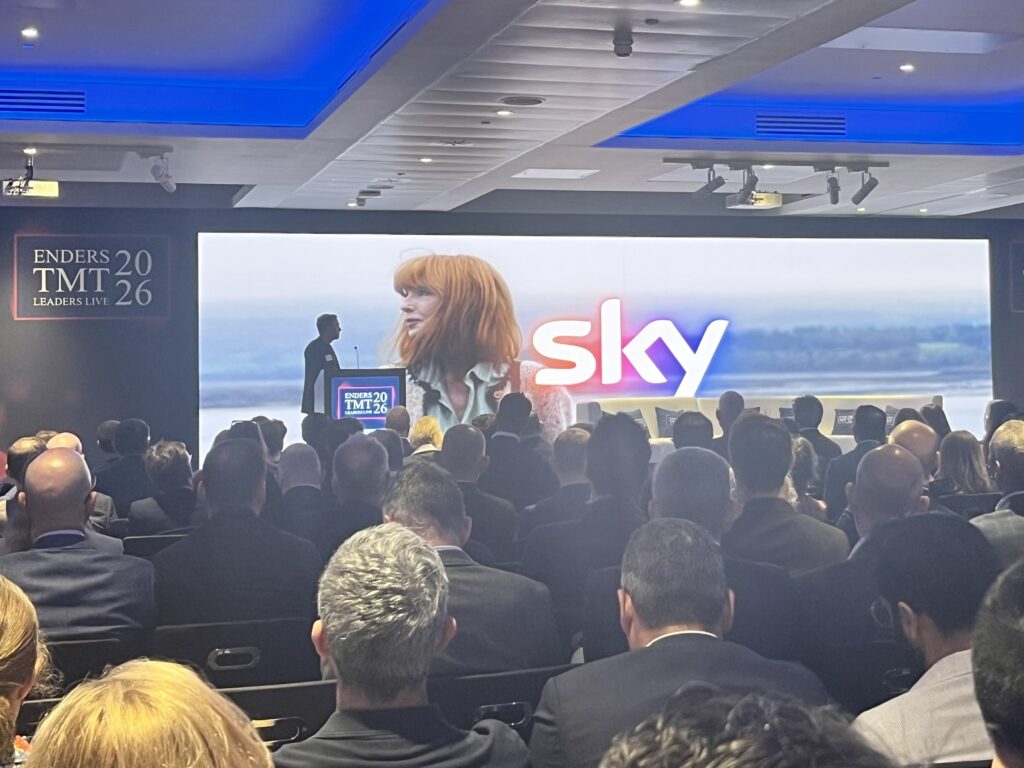
I love the annual Enders gathering, the most recent of which took place last week. They always draw a great line-up of speakers from across the media business landscape and a room full of people with genuine skin in the game for future success. This year’s event was deliberately upbeat, but you couldn’t hide the plain truth: we are at a critical point for the UK Creative Sector, where human creativity, trusted partnerships, and massive technological disruption are all key factors.
Speakers were refreshingly honest about the pressure the sector is under. The UK’s media landscape is operating in a brutally competitive arena – global, heavyweight players with significantly larger budgets are fighting hard for the exact same eyeballs, ad spend, and subscriptions that fuel our local ecosystem. As Sky’s Dana Strong pointed out, survival today means making big, brave, strategic bets on one another. Her call, echoed by others was that the UK creative sector needs deep, cross-industry alliances, like premium streaming platforms teaming up with free-to-air broadcasters, to expand reach and keep the UK’s creative economy thriving.
Making the most of the AI Revolution
Then, of course, there’s AI. Arnaud de Puyfontaine from Vivendi and Havas was as entertaining and observant as ever, comparing the AI revolution to the invention of electricity. It is completely transforming how we work. He also cited a brilliant perspective from a Dutch computer scientist, who noted that asking if AI can be creative is like asking if a submarine can swim. He made an excellent case for using AI to enhance human creativity, not replace it.
The scale of this tech innovation is mind-blowing, with an estimated £400 billion economic footprint (according to Google) projected in the UK by 2030, transforming everything from healthcare to fraud detection. Google’s Kate Alessi shared how the company is already seeing it reshape traditional search into immersive visual, video, and conversational formats.
Industrial efficiency plus human empathy
The doom-and-gloom headlines about robots stealing livelihoods are constant. But Kate offered some much-needed reassurance, noting Google research that 92% of jobs are expected to be insulated or augmented by AI, not replaced by it. Her argument was vital: while AI is brilliant at industrial efficiency, executing tasks, and handling data at scale, it simply cannot replicate human contact, empathy, and creative judgment. Arnaud reinforced that point perfectly: just like electronic music didn’t kill the orchestra but gave us entirely new genres, AI will augment talent. The winners in the advertising space won’t be the ones with the whizziest tech; they’ll be the ones who use tech to free up their people to do what humans do best: tell stories that make people feel something.
Protecting Trust, our most valuable currency
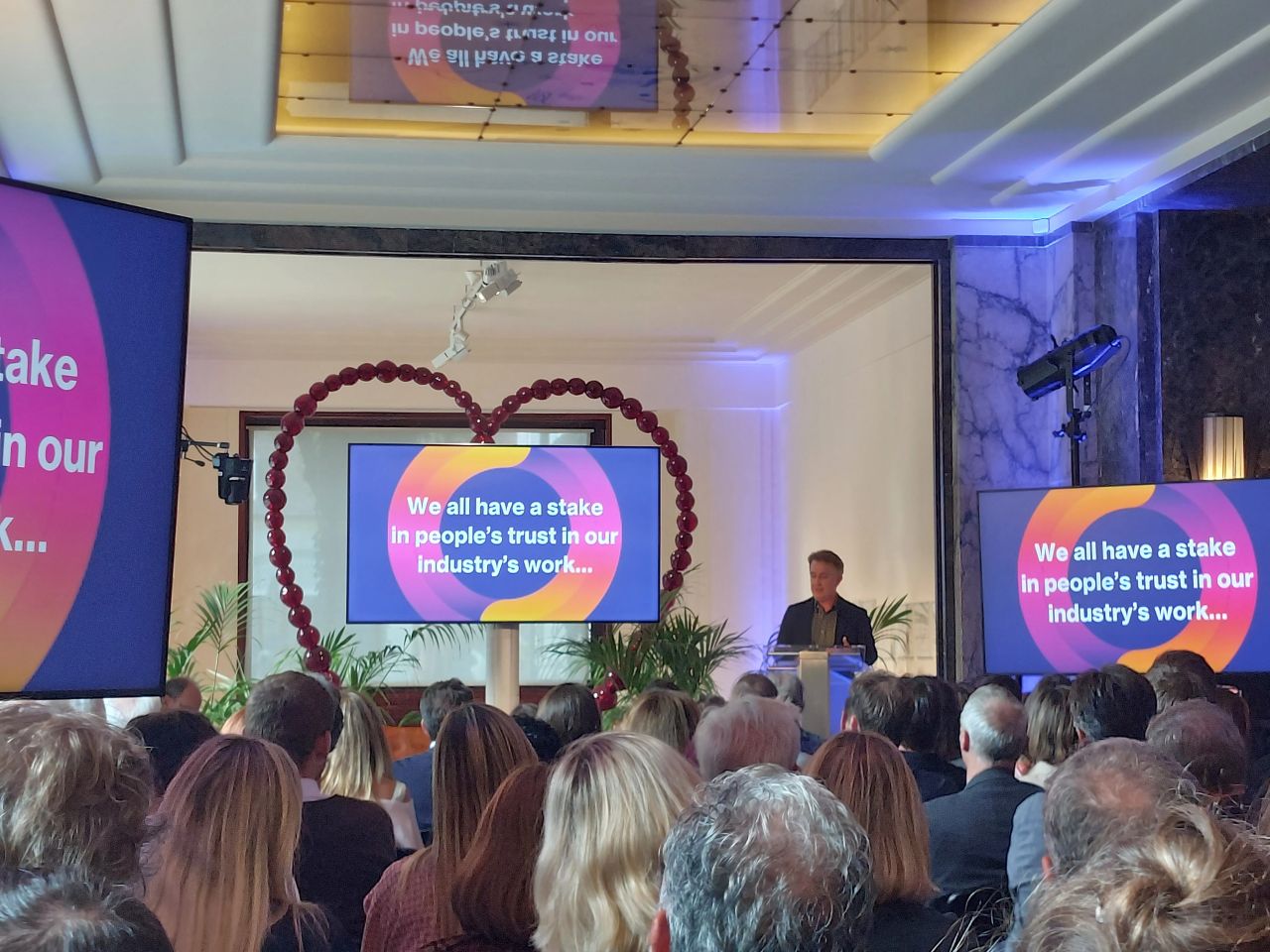
None of this matters, though, if we lose our most valuable currency: trust.
The BBC’s Rhodri Talfan Davies reminded the audience that maintaining status as a trusted truth-teller requires relentless, daily effort. For the advertising and media sectors, public trust is the foundation for everything we do. If we compromise on safety or responsibility, the backlash from the public will be severe, and rightfully so. That’s why Ofcom’s Dame Melanie Dawes was spot on when she argued that robust safety regulation is actually an enabler of growth. And she was very clear that the regulator expects tech giants to build safety into the core of their innovations from day one.
Fighting for Trust in a fast-moving world
At the same time, we must remind regulators not to get stuck in the past. As Netflix’s Larry Tanz warned, protecting legacy business models at the expense of what audiences actually want helps no one.
My overriding sense leaving the conference is one of urgency. If you believe in the importance of something, you have to act NOW, simply because things are moving so fast.
For me, this means fighting for public trust in advertising. The Advertising Association has seen several technological revolutions in its 100 years of serving members, but perhaps none on the scale we are dealing with today. Our members are committed to putting trust at the heart of what we do; it’s been our raison d’etre for the past century and continues to be so.
Compliance is the backbone of Public Trust
Fighting for trust in advertising absolutely includes protecting and building on the work by the likes of our self-regulatory body, the ASA, and organisations like Clearcast, which help provide the backbone for compliance that is required to secure people’s trust in our work. When we secure that trust, everything else builds from it, allowing the UK creative sector to thrive, supported by the very best partnerships to help make this happen in a trusted and responsible way.
Trusted Advertising by Matt Bourn and James Best, published by Kogan Page, is out now. Use the code TRUSTME25 for a 25% discount on a copy here.